



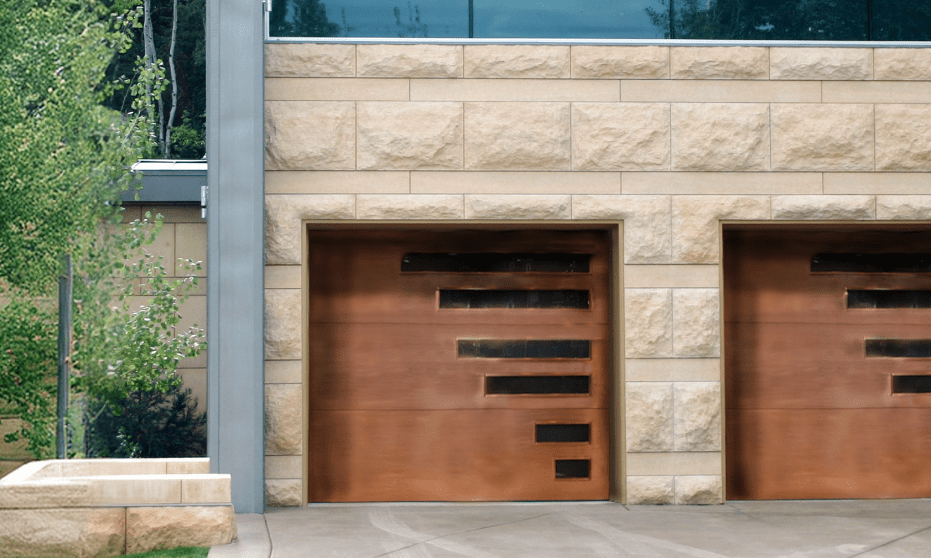
Smooth-Operating Wood Doors: Inside a CAMBEK Door
Quiet can mean two things in architecture. The first is visual. A design so well-proportioned that every element feels considered. Architects have long explored this idea through proportion, including the golden ratio, which applies science to beauty by using mathematics to create natural visual harmony.
The second kind of quiet is mechanical.
It is a door that moves smoothly, closes with precision, and opens the same way in January as it does on a humid July morning. That kind of quiet does not happen by accident. Design and engineering are developed in concert. Proportion shapes the architecture. Construction supports its movement. Materials are selected for both performance and appearance.
The result is a custom garage door or front door designed to look effortless.
The Frame Carries the Motion
A door’s smooth operation begins long before the panels are assembled, grounded in construction techniques refined over decades. Your CAMBEK door is built around a Douglas Fir frame, assembled with mortise-and-tenon joinery and reinforced with pocket-hole and screw fasteners. Face materials range from Western Red Cedar to Sapele Mahogany, and the structural frame is chosen for strength and stability.
The visible face is then built around that structure, with no face fasteners interrupting the exterior, so the construction works behind a clean architectural surface. The details continue at every seam. Shiplap joints at section breaks help maintain a tight connection between sections. With your custom wood door, what you see is only part of the story.
Weight and Section Balance
An overhead garage door does not move as a single solid panel. It moves in sections, and those sections must work together, making proportion more than an aesthetic consideration. Section size, weight, and placement are all part of the engineering behind your door’s movement.
Overhead doors with CAMBEK’s Historic Lites exemplify this principle particularly well. Designed as an architecturally accurate historic recreation of carriage house garage doors, they use three sections to balance the door’s weight. The glazed top section is limited to 50 percent of the total door height or 60 inches, whichever is smaller.
Section breaks are also considered visually. When a structural division could disrupt the design, CAMBEK adds a hidden section break to preserve continuity of the exterior face. The engineering remains essential; it simply stays out of sight.
Where Moisture Meets Mechanism
Wood is a living material. Changes in humidity and temperature affect how it responds, making moisture management essential for long-term door performance. CAMBEK addresses that movement at multiple points, so your door performs the same way years from now as it does on day one. Vent holes in each section allow moisture to escape as conditions change. Windows are wet-glazed to the structure with acrylic latex rather than relying on dry-fit trim. A beveled drip cap directs water away from the bottom trim board, and horizontal boards cap the vertical end grain, keeping exposed wood away from the bottom of the door, where water can collect.
For homes in especially demanding climates, CAMBEK’s Ultimate Protection Plan goes further, with construction engineered for hurricane-rated strength. Clear DAP acrylic caulking fills internal voids between material layers. The backs of trim boards and tongue-and-groove material are sealed before installation, and all six sides of the internal Douglas Fir frame are sealed before assembly. Borate rods are embedded in the frame to help deter fungal decay and insects before installing the millwork and trim boards.
Most of this work disappears once your door is complete, and that is exactly where it belongs. The goal is to build protection into the door, creating a structure built to last as long as your home.
Finish as a Working Part
A finish is often thought of as the final aesthetic decision. It includes choosing between stain or paint color, the sheen, and how the wood complements your home’s architecture. For a wood door, it does much more. CAMBEK’s three-coat nanotechnology finish resists cracking, flaking, chalking, blistering, and lifting while allowing the wood beneath it to breathe. Pigment particulates provide UV resistance and help maintain color stability.
Every door receives the same three-coat standard, whether stained or painted. That makes the finish an integral part of your door’s performance system, protecting the materials, joinery, and moisture-management details beneath it.
Hardware That Belongs to the Design
Hardware has a purpose and a visual language. CAMBEK’s decorative hardware, including strap hinges and slide latch bars, is crafted from cast aluminum and powder-coated for durability. The profiles capture the character of traditional wrought iron while reducing weight and increasing resistance to the elements, so you get the look you want without the upkeep.
For historically inspired designs, that distinction is essential. The hardware can reinforce your door’s architectural character while still enhancing overall performance.
Structure You Can’t See
The quiet operation of your custom garage or front dor begins with decisions most people never notice. The frame is engineered for strength and stability. Sections are proportioned with weight and movement in mind. Moisture is managed at vulnerable points. Finishes protect the wood and the underlying construction. Hardware contributes to the architectural language without compromising performance.
None of those decisions are meant to shout. You’ll notice them when the door moves, when the design remains clean and uninterrupted, and years later, when a door built with this level of attention still operates smoothly.
Quiet is not the absence of engineering. It is the result of it.
Ready to start a design conversation?
Get in Touch with Cambek
Share On


